
When the CEO Calls: The deepfake impersonation response you need now
It's 11:23 a.m. and your phone lights up with a live video call that looks exactly like your CEO. The voice, the face, the urgent tone — "Send the M&A files now." In a second your judgment races and your inbox feels like a battlefield. This is not a prank; it's a fast-moving deepfake impersonation designed to defeat visual verification and force immediate action.
The core problem is brutal: real-time deepfakes can bypass standard checks in seconds, turning normal approval loops into emergency exits. The stakes are high — data loss, reputational damage, and trust erosion can cascade before IT even opens a ticket. Do not treat this as a theoretical risk.
There is an opportunity: a fast, rehearsed response prevents costly mistakes. Think of it like a sports drill — teams train on cues, call the play, and execute under pressure. This article delivers a repeatable deepfake impersonation response drill, not a one-off warning.
A practiced relay beats panic every time — train the cue, run the play, stop the leak.
Ready-to-run playbook: Deepfake Impersonation Response Relay
You will receive a ready-to-run playbook — the Deepfake Impersonation Response Relay. It maps roles, signals, and escalation steps so managers can act with speed and confidence. Engage with the relay drill and turn the moment of panic into a controlled response.
Why deepfake impersonations demand a new playbook
Deepfake impersonations are no longer experimental; advances in generative AI produce convincing real-time video and audio that can mimic executives during live calls. As a result, managers face a new class of risk — leadership impersonation and AI identity fraud — that bypasses traditional verification and social checks.
Traditional incident-response approaches are often linear and siloed: an employee flags an event, IT investigates, legal weighs in, communications crafts messaging. That stepwise flow creates dangerous delays; within minutes an executive video scam can extract sensitive files or trigger fraudulent wire transfers. ***Delays amplify harm:*** data exfiltration, reputational damage, and regulatory exposure can snowball before verification completes.
How linear responses fail
- Critical bottleneck: Single-point verification delays action
- Slow handoffs: Cross-team escalations cost minutes
- Outdated checks: Manual identity steps aren’t built for real-time deepfakes
- Unclear authority: Frontline managers lack immediate decision frameworks
Why a relay-style response matters now
- Parallel action: Verification and containment run simultaneously
- Preassigned roles: Simple signals let managers stop the flow fast
- Immediate messaging: Scripted communications prevent misinformation spread
- Time-boxed steps: Limit damage while experts confirm identity
In seconds, a fake CEO can become a breach — act in relay, not in line.
The four-section solution — Recognizing a leadership deepfake, Activating the relay team, Correcting misinformation, and Post-incident review — is a practical alternative to siloed, linear workflows. This playbook is designed for managers who must act quickly under pressure and relies on your organization’s crisis communication plan as the backbone: templates, escalation lists, and preapproved messages that let teams move in parallel. Rehearsal turns hesitation into decisive action.
Next, the SOLUTION/METHOD section lays out the exact relay steps managers should run in the first 10 minutes, with clear signals, responsibilities, and sample messages to stop an executive video scam before it escalates.
4-Step Relay: Deepfake Impersonation Response Drill
When a live call looks like the CEO but feels off, treat it like a timed drill: recognize the cue, pass the relay, secure the field, then review. This four-step playbook is your deepfake impersonation response — compact, rehearsable, and designed for managers who must act in minutes. Think of each step as a practice play in a weekly sports drill: pace, signals, and repeat.
1. Recognize & Verify Quickly
First 60–120 seconds: stop and assess. Use a short checklist and an *out-of-band* verification before sharing anything. The objective is rapid triage without escalation delay.
- Checklist: Pause the call; note platform + caller ID; screenshot/video record the session if policy allows
- Quick verification: Ask the *prearranged verification code* (e.g., "Can you read the two-word code I sent?"), or request a specific non-public detail only the leader would know
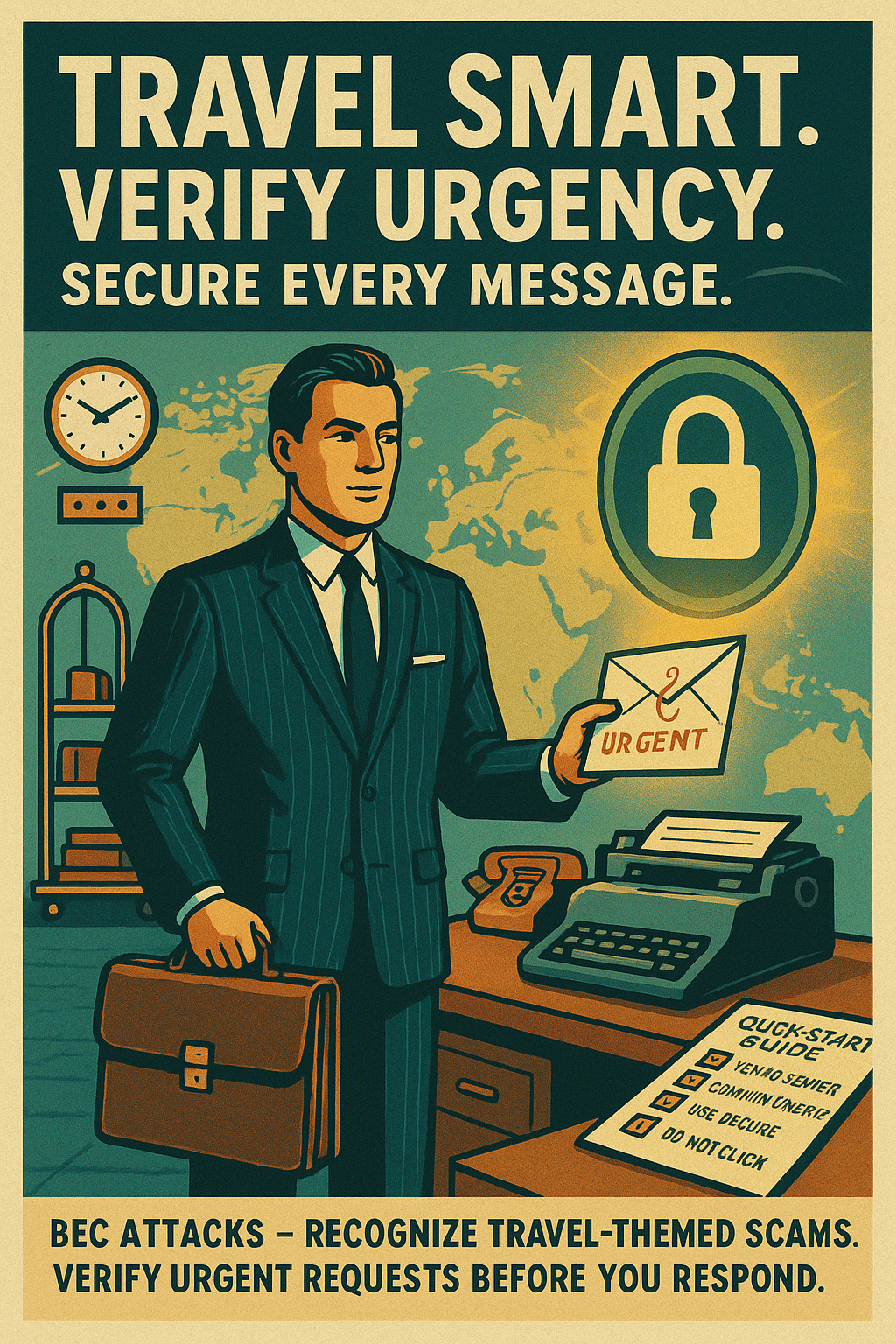
- Out-of-band: Text or call a known number (not in-app) to confirm authenticity
- Red flags: Lip-sync errors, asynchronous audio, unusual requests for file transfer or immediate wire transfer — these indicate potential AI identity fraud
Do not send files until identity is confirmed by a separate channel — seconds matter.
2. Activate the Relay Team
Roles & Responsibilities
- Ring Captain (Reporting Manager): Calls the play, halts action, notifies Relay Channel
- Security Lead: Runs technical verification, isolates accounts, freezes transfers
- Communications Lead: Prepares internal/external messaging
- Legal & Finance: Approves containment actions and payment freezes
Channels & Pre-approved Actions
- Relay channel: Dedicated Slack/Teams channel labeled #relay-deepfake
- Immediate actions: Disable file sharing, block sender account, place temporary ACH/wire hold
- Signal: Single-word cue *"Relay"* to escalate across teams
3. Correct Misinformation — Internal & External
Contain misinformation quickly with clear, scripted messages. Use internal channels first to prevent sharing, then a controlled external holding statement if necessary — especially for an executive video scam that may spread.
- Internal script: "Safety check: a suspected impersonation occurred in a recent call. Do not respond to requests for files or transfers until we confirm. IT is investigating."
- External holding line: "We are aware of a fraudulent video impersonating leadership and are investigating. We have paused affected transactions and will provide updates."
- Containment steps: Revoke temporary access tokens, rotate affected credentials, and update CRM entries to prevent follow-up phishing
Controlled messaging prevents rumor-driven escalation — be concise, factual, and time-boxed.
4. Post-Incident Review & Drill Update
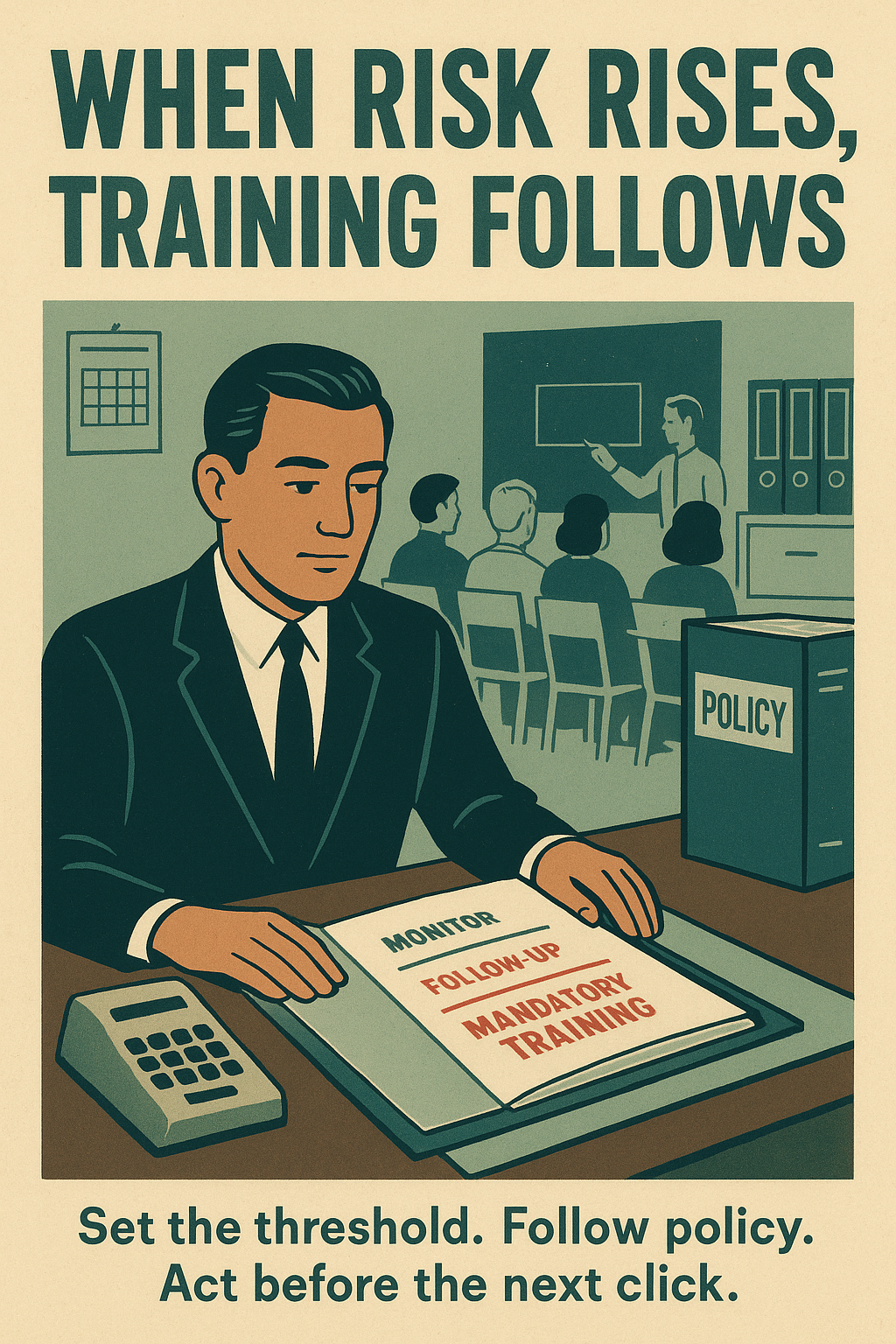
After containment, run a structured after-action review within 72 hours. Treat findings as training material and update the drill. Rehearse the relay weekly or monthly depending on risk level.
- Review checklist: Timeline of events, decision points, communication logs, and residual risk
- Update artifacts: Patch playbooks, add new verification codes, refresh templates and contact lists
- Practice prompt: Run a mock: "Simulated CEO call requesting an urgent invoice — execute relay in under 10 minutes"
- Critical warning: ***If data was exfiltrated, escalate to forensics and legal immediately.***
Practice schedule: Run a 10-minute relay drill quarterly, and a rapid 3-minute cue drill monthly. The more you rehearse the pass, the fewer turnovers you’ll have during a real deepfake impersonation response.
Real-world Evidence for Deepfake Impersonation Response
Concrete evidence shows a rehearsed relay reduces harm when a leader is impersonated. Below are two mini-case studies that illustrate a successful relay and the cost of delayed action, followed by industry trends and common objections.
Example A — Mid-sized Financial Firm (Success)
A mid-sized financial services firm received a live video call appearing to be the CEO asking for confidential M&A documents. The reporting manager executed the relay: she paused the call, signaled *"Relay"* in the dedicated channel, and followed the out-of-band verification checklist.
The Security Lead immediately isolated the affected account, froze outgoing transfers, and preserved session logs for forensics. The Communications Lead sent a brief internal advisory to halt file sharing and a holding statement externally. Because the team acted in parallel, the incident was contained with minimal downtime and no unauthorized transfers or data loss.
Example B — Delayed Verification (Failure)
A tech company treated a similar call as routine and delayed verification while awaiting manager approval. During the delay, employees followed the request and shared proprietary client lists with the impersonator. The initial delay created confusion about who authorized the transfer, complicating attribution.
The result: exposed data, a costly forensic investigation, client notifications, and damaged trust. The organization also faced extended downtime while legal and IT untangled responsibility — an expensive lesson in the cost of inaction.
Fast, rehearsed relay actions are the difference between a contained incident and a cascading breach.
Industry reporting and vendor advisories indicate that AI-generated impersonations are growing in frequency and sophistication. While exact counts vary, security teams note a clear trend: these scams are becoming easier to produce and more targeted. The implication is straightforward — organizations should assume that *leadership impersonation* attempts will appear in the wild and prepare response drills accordingly.
- Objection: *"We can’t disrupt leadership messaging."* — Mitigation: The relay uses a single-word signal and preapproved scripts so leaders lose no time; the tactic preserves authentic messaging while preventing unauthorized requests.
- Objection: *"This is too costly/time-consuming."* — Mitigation: Simple relay training and templates take hours to create and minutes to rehearse; they prevent far greater costs from data exposure, regulatory action, and client churn.
Actionable takeaway
Adopt a practiced deepfake impersonation response relay: it is low-friction, tested in minutes, and materially reduces the risk of misattributed actions or data exposure.
Implementation Checklist: Deepfake Impersonation Response Steps
Use this numbered checklist to implement the deepfake impersonation response across your organization. Assign owners, set hard deadlines, and store artifacts in a secured, auditable location (e.g., privileged intranet or encrypted drive). Start today; many steps can complete in days.
- Pre-define the Relay Team roster and contact list: Owner: Security Manager. Publish a roster with backups (Ring Captain, Security Lead, Comms, Legal, Finance, IT) plus mobile and *out-of-band* numbers. Deadline: 3 business days. Tool: store in a vault (1Password Business, Azure Key Vault) and HR emergency directory.
- Establish secure, auditable channels for rapid communication: Owner: IT Ops. Create a restricted channel (e.g., #relay-deepfake) with retention/audit logs, integrate PagerDuty for paging and set an email fallback. Deadline: 7 days. Tools: Slack/Teams (Enterprise Grid), PagerDuty, Signal for high-sensitivity callbacks.
- Create detection and verification procedures: Owner: SOC Lead. Define red flags and a step-by-step verification checklist, plus *out-of-band* call-back scripts and verification prompts (two-word code, recent specific fact). Policy: screenshot/record where lawful. Deadline: 5 days. Templates: use SANS/NIST baselines.
- Build/adapt internal and external message templates and PR guidance: Owner: Communications Director. Draft internal advisories, external holding statements, customer Q&A and pre-approved legal wording. Store templates in the relay folder. Deadline: 7 days.
- Schedule regular drills and training: Owner: Training Lead. Add quarterly 10-minute relay drills and monthly 3-minute cue runs; invite all Ring Captains and measure time-to-verify. Deadline: First drill within 14 days.
- Create incident documentation templates: Owner: Forensics Lead. Publish investigation log, evidence-preservation checklist, chain-of-custody forms and post-incident report template; enable restricted case folders. Deadline: 10 days. Tools: DFIR templates, TheHive, JIRA.
- Align with Crisis Communication Plan: Owner: Head of Risk. Map relay steps into the Crisis Plan, set board/exec notification thresholds and legal approval workflow. Deadline: 14 days.
- Metrics to monitor and improve: Owner: Incident Ops. Track KPIs: time-to-detect, time-to-verify, time-to-freeze, percent successful verifications, drill pass rate. Review weekly and update the playbook monthly. Tools: SIEM/SOAR dashboards and shared KPI docs.
Immediate next step: assign owners now and create the #relay-deepfake channel. Reference resources: SANS/NIST incident playbook templates, DFIR evidence checklists, verification prompts and call-back scripts (two-word codes, callback to known mobile), and PR holding-statement templates. ***If data exfiltration is suspected, escalate to forensics and legal immediately.***
Make the Deepfake Impersonation Response a Core Habit
The Deepfake Impersonation Response delivers measurable benefits: faster containment, clearer internal and external communication, preserved trust with clients and partners, and reduced risk of data loss or fraud. When teams rehearse the relay, they cut decision time, prevent rumor-driven escalation, and keep legal and finance actions aligned.
Managers should embed this relay into the Crisis Communication Plan, schedule regular drills (quarterly full relays and monthly cue runs), and share after-action learnings across teams. Practice builds muscle memory: roles execute in parallel, messages remain consistent, and containment becomes routine.
AI-enabled impersonation tools will grow more sophisticated; attackers will weaponize speed and personalization. Ongoing drills and resilience-building are essential—they let managers identify gaps, adapt procedures, and stay ahead of evolving threats. ***Treat any drill failure as a learning signal, not a reproach.***
Ready to act?
Start now: run a 10-minute relay drill, add a dedicated #relay-deepfake channel to your crisis playbook, and invite all Ring Captains to the next run. Practice this relay to protect your team from deepfake impersonations and treat this play as a living, repeatable process.